The Guide Archive

A curated repository of research briefings and strategic analysis for the Guide sector.

C
ContentClik in Guide

Tech Careers: Quick Reference Guide to IT Job Titles

This reference guide explains key roles across the IT industry, helping current and aspiring IT professionals choose the right career path and understand their next steps in their career journey. Sometimes, IT job titles can be almost as complicated as IT technology. There are a variety of terms that refer to different roles. Sometimes, varying job titles are more or less synonymous, but in other cases there are important implications in using one title instead of another. To help clear up that confusion, we've prepared the following Tech Careers Quick Reference Guide to job titles that are common in the IT industry. It explains common job titles across several key domains within IT, including software development, DevOps, IT operations, cloud computing, cybersecurity, data management, and AI. First, we can't tell you exactly how a given company might interpret each job title or map it onto roles and responsibilities because different businesses apply IT job titles in different ways. We can, however, provide a general sense of what each title implies, along with the pros and cons that come with these titles from a career perspective. Second, this isn't a complete list of job titles that exist in the IT industry. Organizations are constantly coming up with new roles and new titles to accompany them — as well as applying new names to existing roles. That said, we endeavor below to cover the major job titles that are common within the IT industry today. Download your free copy of our Tech Careers Quick Reference Guide today!

Jun 17, 2026 8 min read Premium
C
ContentClik in Guide

Endovascular Interventions: Treating PAD Below the Knee

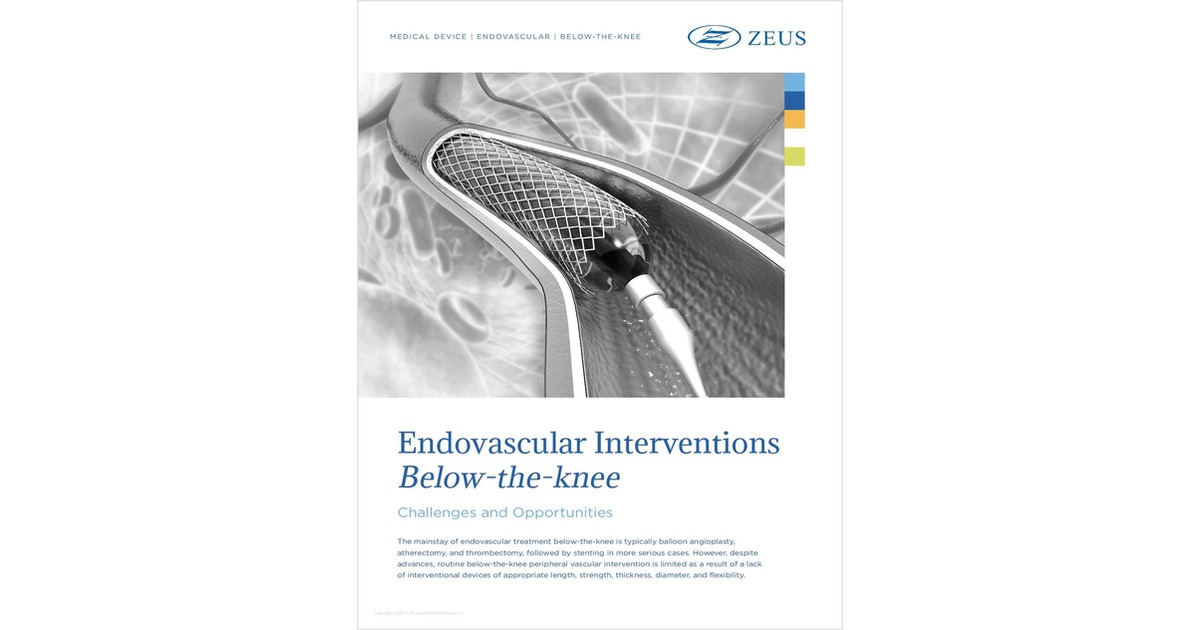
There’s increasing evidence to support endovascular intervention for patients with PAD below-the-knee. The challenge? Engineering a device that can safely and successfully navigate that area of the body. Learn more about overcoming this challenge in this below-the-knee application guide. Given availability of both endovascular and open surgical options, a 2017 research program* used population-based data to demonstrate that an endovascular approach is associated with improved amputation-free survival over the long term with only a modest relative increased risk of subsequent intervention. The mainstay of endovascular treatment to increase circulation blood flow is typically balloon angioplasty, atherectomy, and thrombectomy, followed by stenting in more serious cases. Recent advances have broadened the options for treating PAD, including the use of drug-eluting stents and drug-coated balloons to deliver effective therapies. When compared with open surgery for PAD, catheter-based treatment offers a much lower periprocedural risk, but is limited by lower initial success, requiring repeated procedures for effective treatment, particularly for infrapopliteal (below-the-knee) intervention. For example, blood vessels in the foot are smaller in diameter and highly tortuous, making them difficult to access and navigate. This, in addition to the fact that lesions in these body parts are often severely calcified, can mean repeated procedures are required for effective treatment. However, extensive infrapopliteal stenting in conjunction with poor outflow may actually elevate the risk of stent thrombosis or distal embolization complications. It is clear that a reliable endovascular treatment for PAD in the lower extremities will be largely dependent on, and aided by, the availability of more advanced device design. The challenge for engineers remains: creating a catheter that offers the right mechanical properties of strength and flexibility, and that is small enough for successful below-the-knee intervention.

Jun 17, 2026 8 min read Premium

Ready for Full Access?

Gain unlimited access to our entire library of research briefings and analyst reports.

Unlock Full Membership
Access Granted
An Executive from a Global Firm just accessed Research Briefing